| More about | |
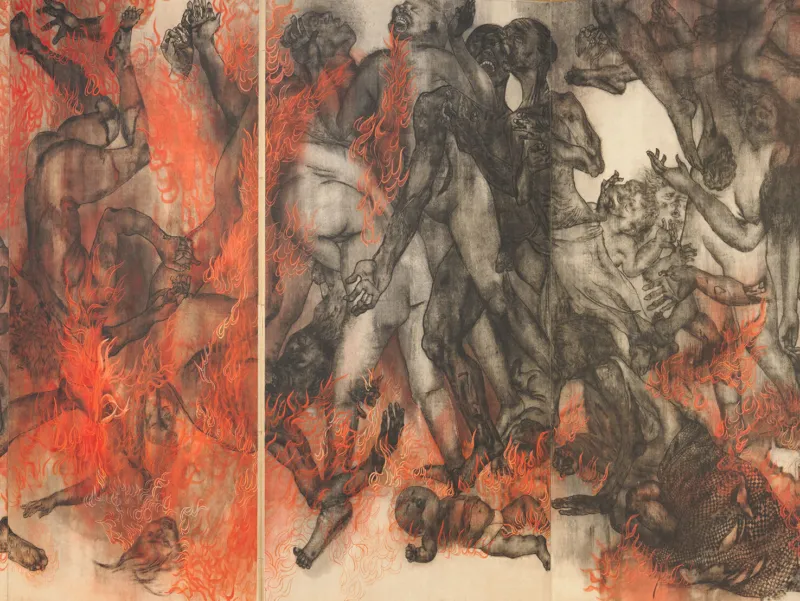
| Artists | Saori Akutagawa |
| Curators | Florence Ostende (Director of Artistic Programmes and Content, Guggenheim Museum Bilbao) With Yurika Imaseki (Research Associate) and Anaël Daoud (Assistant Curator, Mudam Luxembourg) |
| Exhibition Design | Ibrahim Kombarji With studio support from |
| Credits | The exhibition is organised by Mudam Luxembourg in collaboration with Lenbachhaus Munich and Guggenheim Museum Bilbao. The partner institutions gratefully acknowledge the advisory guidance of Reiko Kokatsu, art historian and curator. |
| Lead support by |

|
| With special support by |


|
| And air transport support by |

|
| Media Partner |

|
| Exhibition Catalogue |
Open image in lightbox
|
Kaihō
Japanese Women Artists after 1945
–
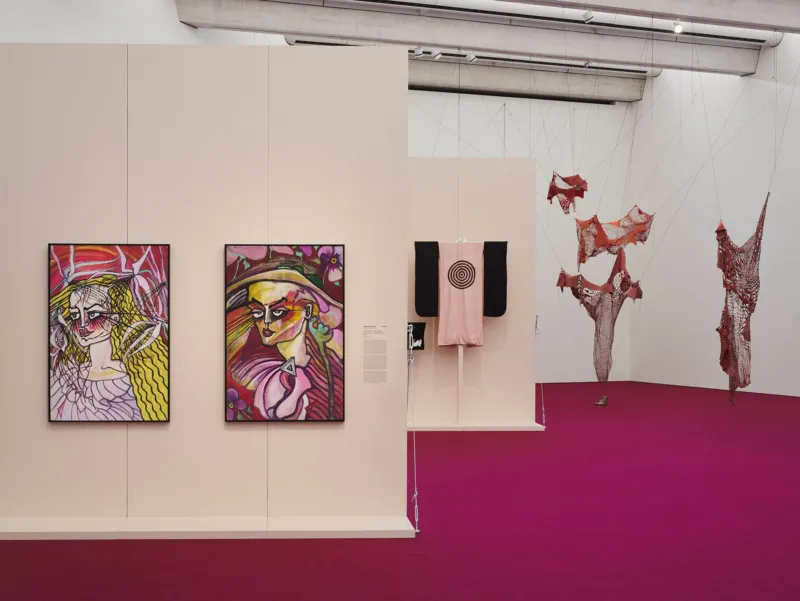
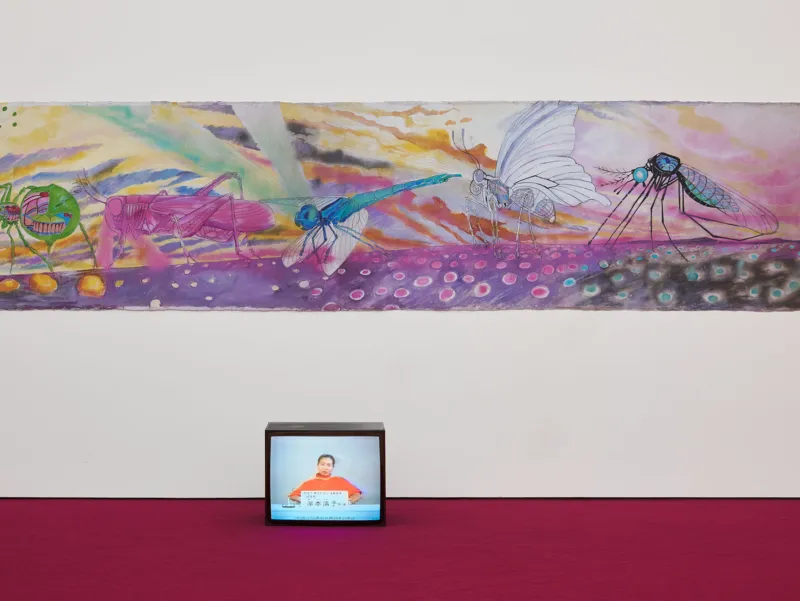
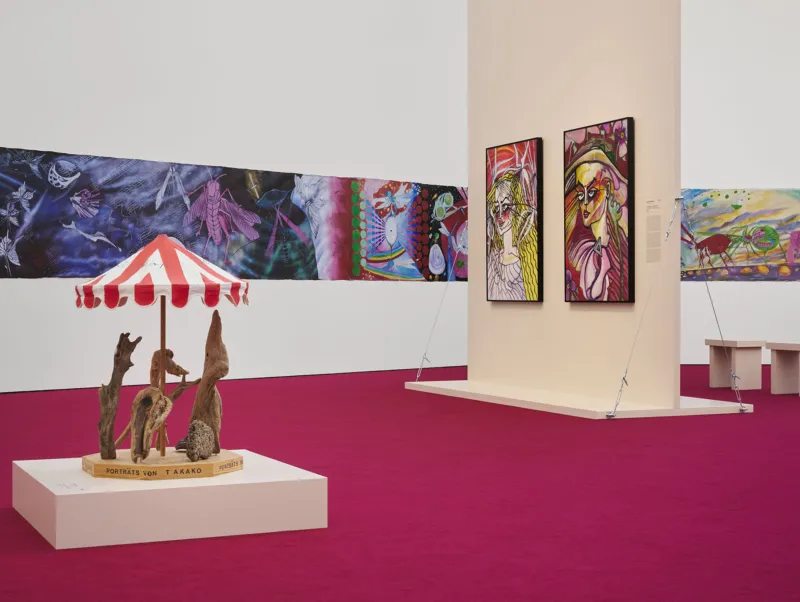
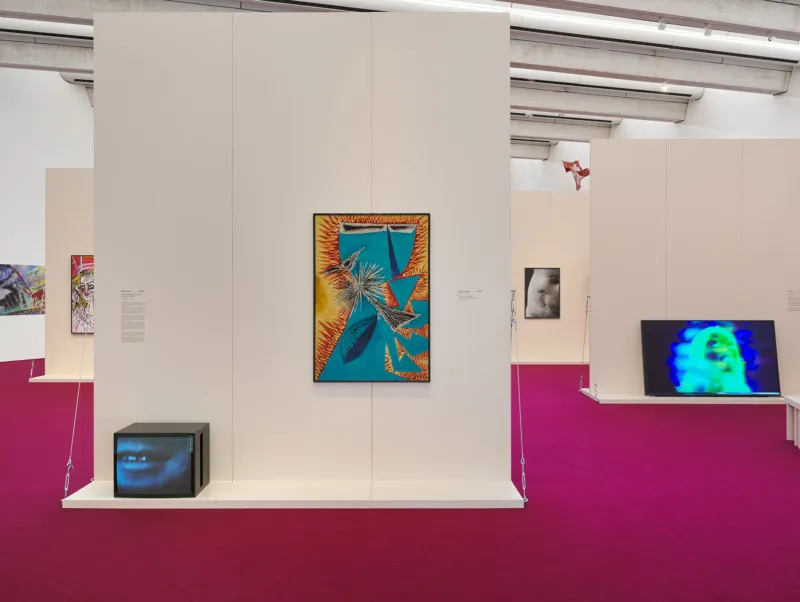
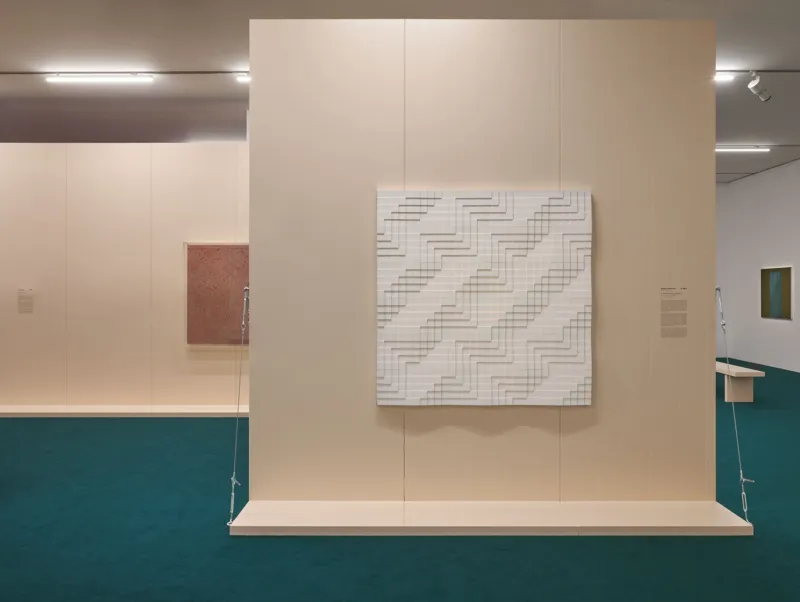
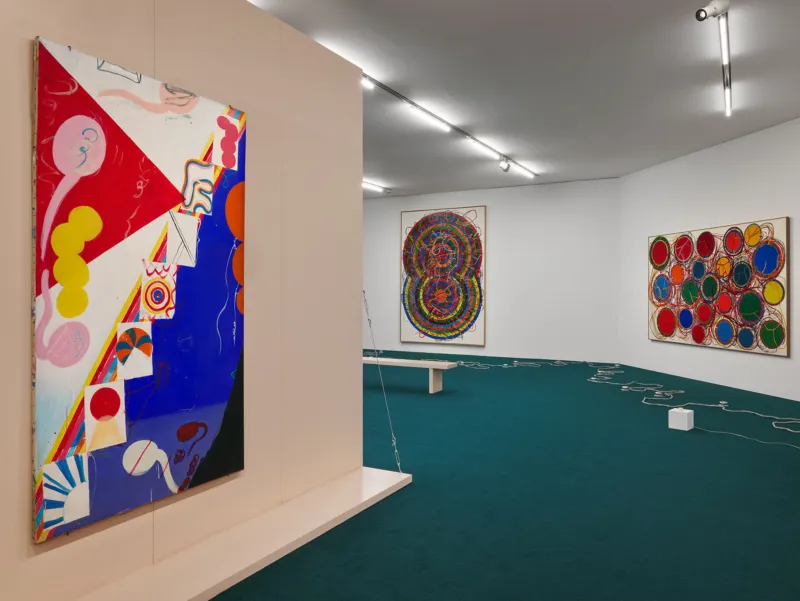
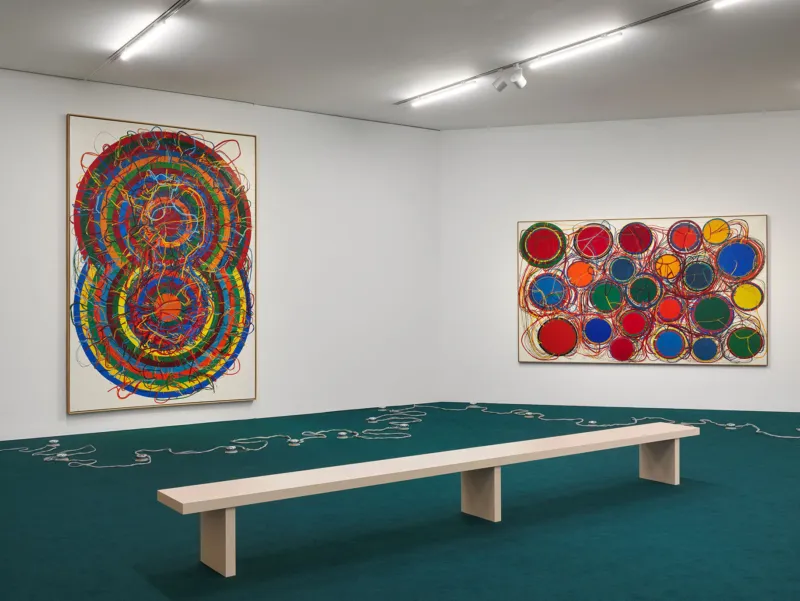
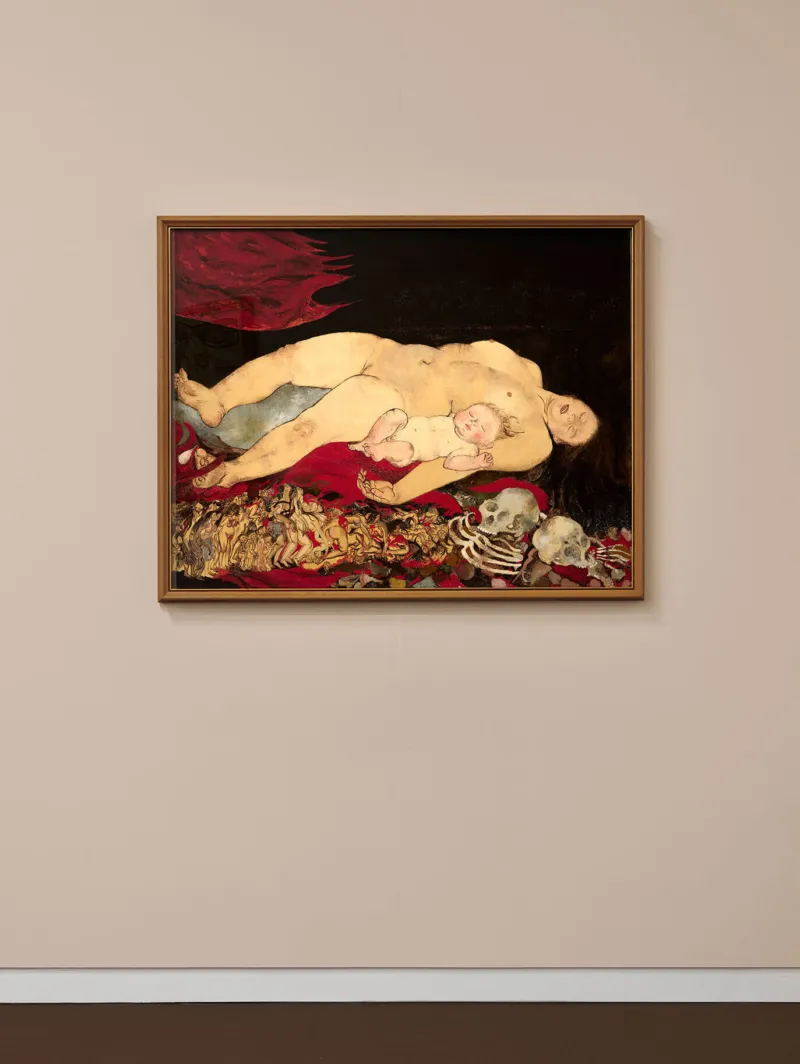
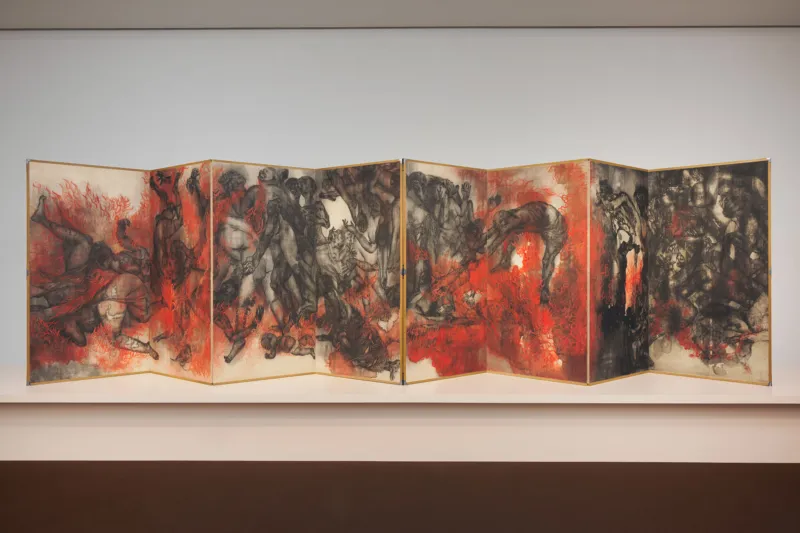
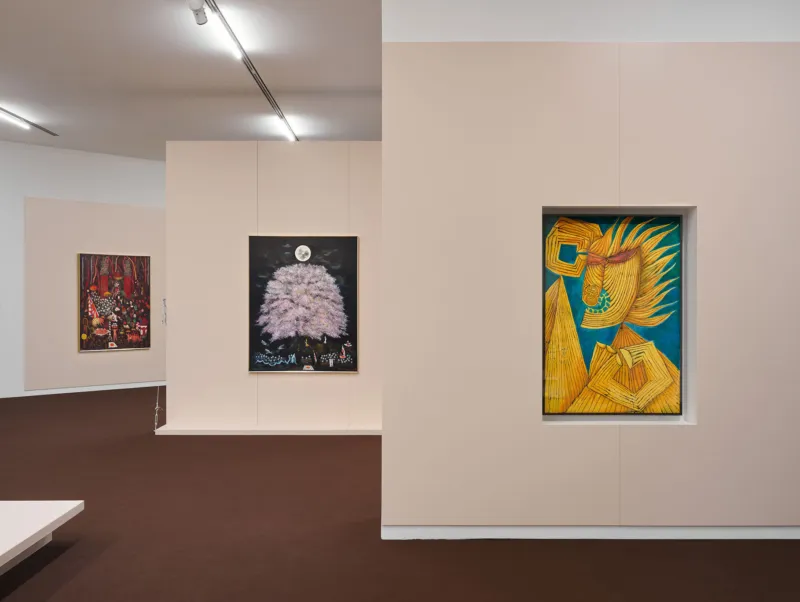
This exhibition surveys the work of thirty-nine women artists from Japan who contributed to the global artistic landscape from the post-war period to the turn of the twenty-first century. Drawing on the artists' creative resilience and persona! lives, it unfolds across five thematic chapters and brings together more than 120 works, many of which have rarely, if ever, been shown outside of Japan.
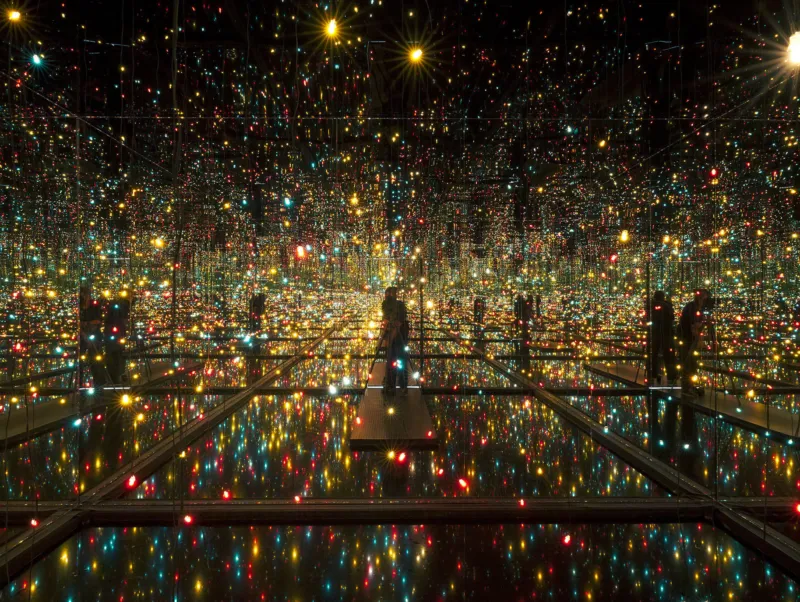
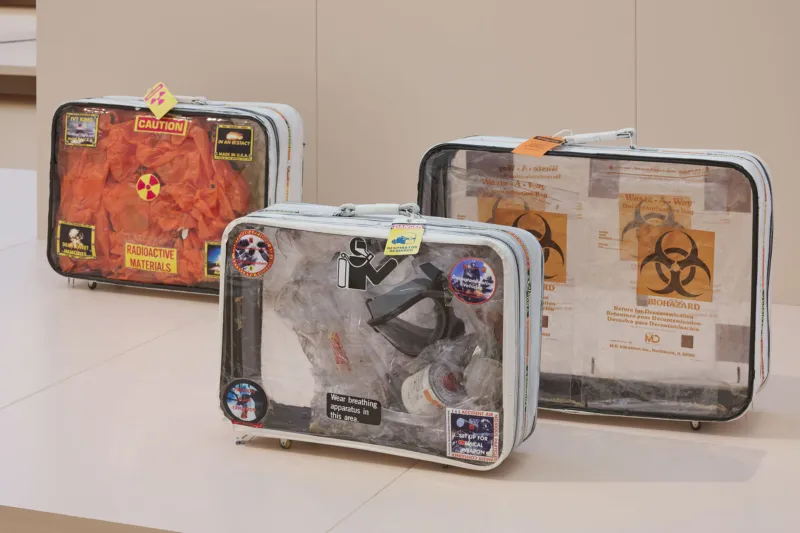
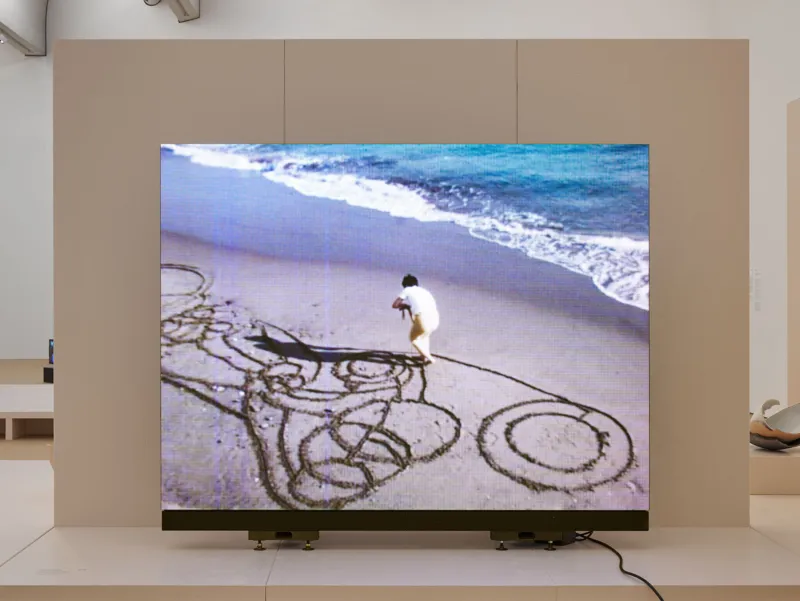
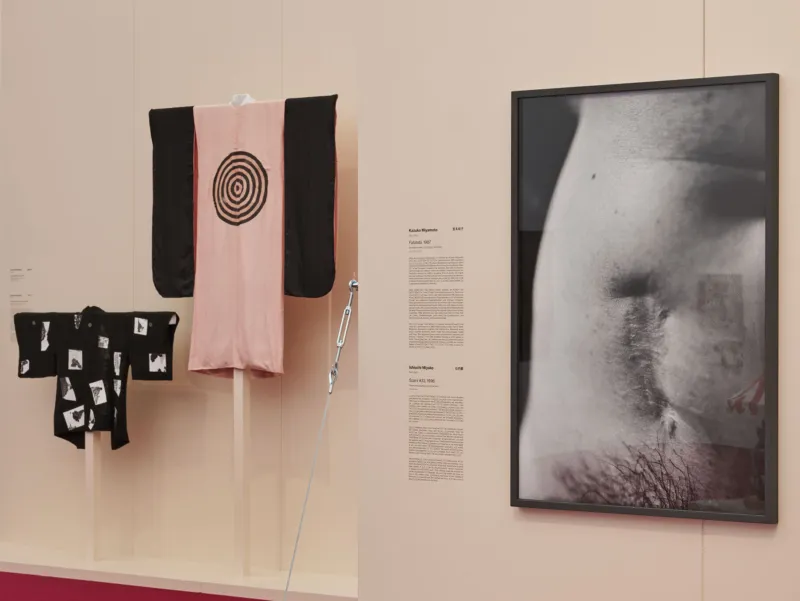
Through painting, sculpture, photography, film and installation, the exhibition traces how these artists engaged with the profound transformations of post-war Japan while mapping transnational trajectories across Asia, Europe, the United States and Brazil. Their work emerged during a period of greater freedom from patriarchal structures and changing relations to the nation-state, challenging fixed concepts of national identity and Western-centric art histories.
Yet despite their critical engagement with gender inequality, imperialism and environmental change, the majority of these artists have been dismissed from mainstream narratives. Kaihō: Japanese Women Artists after 1945 sheds light on their vital contributions to major artistic movements such as Gutai and Fluxus, as well as their raie in the emergence of multimedia and performance practices. The project's title Kaihō [Breaking Free] reflects its ambition to rethink the interconnected histories of global modernisms and their legacies in contemporary art.